
about kylie wallsThoughtful care, shaped by
training, research, and empathetic understanding
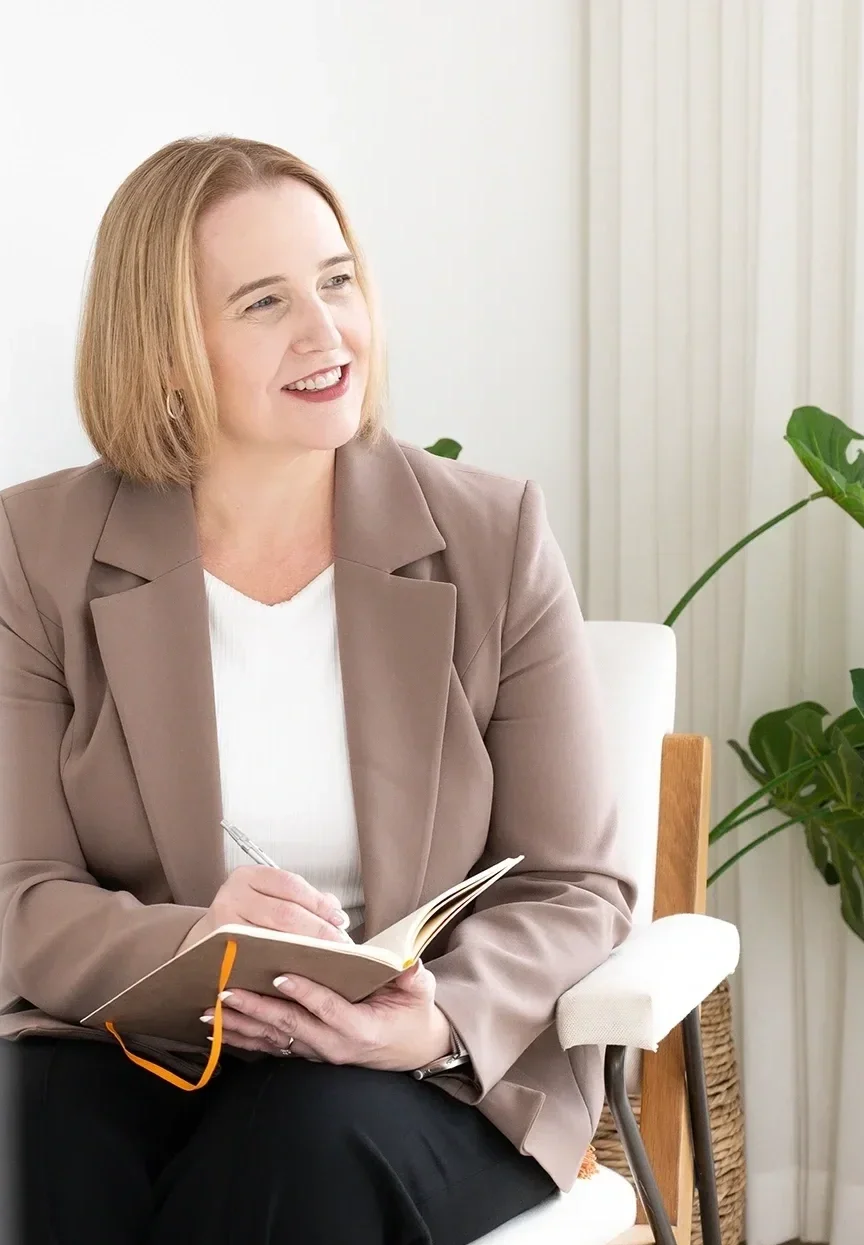
My practice is shaped by professional training, research, and experience across education, community, spiritual organisations, and private practice settings. I work with adults experiencing mental health challenges; recovery from abuse and trauma; complex emotional and relational difficulties; domestic and family violence, including coercive control; and distress related to identity, belief, and belonging — particularly where faith or ministry contexts are involved.
I have published peer-reviewed research examining control, attachment, and emotional regulation, and previously served as a Domestic and Family Violence Advisor within a faith-based organisation, supporting safer and more informed responses to harm. Alongside clinical practice, I have held professional and volunteer roles within church and ministry environments, deepening my understanding of the unique dynamics that can arise at the intersection of wellbeing, relationships, and faith. This experience informs an approach that is clinically grounded, culturally and faith-sensitive, and ethically focused.
I work with clients from all backgrounds, cultures, and life experiences, and support individuals for whom religion or spirituality is an important part of life, including those from a wide range of faith traditions. My practice is informed by a Judeo-Christian faith perspective, which affirms the inherent dignity and intrinsic value of every person.
I hold a strong awareness of the ways faith and religious communities can be sources of meaning, support, and resilience, while also recognising that spiritual harm, misuse of religious authority, and religious trauma can occur. I provide psychological care for individuals seeking support related to spiritual abuse and involvement in high-control religious groups or cults. Any discussion or exploration of faith is guided by the client and occurs only at the client's request.
A practice shaped by
curiosity, compassion, and care
my practice
Across years of working with people in schools, community settings, and now in private practice, I found myself repeatedly sitting with adults who were carrying the cost of trying to survive within complicated systems: families, intimate relationships, workplaces, caregiving roles, institutions, and faith communities.
Often, the difficulties looked familiar on the surface: anxiety, low mood, burnout, relationship distress, shame, emotional reactivity, or disconnection. But again and again, it became clear that these struggles had developed in interaction with context. Power imbalances, chronic pressure, unmet emotional needs, and environments that did not feel emotionally or psychologically safe shaped the ways people learned to cope, relate, and protect themselves. Over time, these coping responses, such as self-criticism, people-pleasing, emotional withdrawal, hyper-responsibility, vigilance, or over-control, can become entrenched patterns that interfere with wellbeing, relationships, work, and identity.
What also became clear was that distress often develops gradually rather than through a single dramatic event. Ongoing pressure, blurred boundaries, unrealistic expectations, or repeated dismissal can wear people down over time. Many people come to therapy unsure whether what they experienced was "serious enough" to matter, questioning their own reactions, and wondering whether their distress is valid.
Over time, schema therapy became the framework that shaped this work. At its heart, it is a way of processing trauma. It also helps make sense of why certain emotional and relational patterns repeat, how they were learned, and how they continue to interact with present-day relationships and environments.
Refuge Psychology was created to provide thoughtful psychological care that helps people understand their experiences of distress in context, and to support change, moving out of survival patterns toward greater flexibility, agency, and wellbeing. Faith, values, and belief are never assumed or imposed, but are held with care if they are meaningful to you.
At its core, Refuge Psychology exists to provide refuge: a place where patterns can be named honestly, change can be worked toward deliberately, and people are supported in making sense of their experiences and moving forward.
The story of
Refuge Psychology
my story“Our stories shape how we see ourselves and the world around us. I hold each story with care and respect, offering trauma-informed support that honours your beliefs, values, and lived experience.”
— kylie wallsBACKGROUND
Qualifications & training
REGISTRATION
Registered Psychologist - Psychology Board of Australia
Australian Association of Psychologists (AAPi) Member
International Society of Schema Therapy (ISST) Member
Christian Counsellors Association of Australia (CCAA) Member
Registered Teacher, Queensland College of Teachers (QCT)
EDUCATION
Master of Psychological Practice, CSU
Master of Education (Guidance and Counselling), QUT
Bachelor of Psychological Science, UNE
Bachelor of Education (UQ)
Bachelor of Music (UQ)
THERAPY TRAINING
Individual & Couples Schema Therapy
Gottman Method Couples Therapy - Level 1 & 2
Eye Movement Desensitisation Therapy (EMDR)
Emotionally Focused therapy (EFT)
CBT, DBT, ACT, ERP
AREAS OF INTEREST
Coercive Control, Domestic Violence, & Confusing Relationships
Spiritual Abuse, Religious Trauma, High Control Religion & Cults
Moral OCD & Scrupulosity
Sexual Grooming and Exploitation, and Coercive Relationships
Mental Health & Challenges in Ministry Contexts
Inclusive, client-led care
I have a particular interest in working with people from faith-based and spiritual contexts, and warmly welcome clients from all backgrounds and worldviews.
RECENT CONVERSATIONS
Recent publications & media
PODCAST
The Controlling Church - With All Due Respect Podcast
Apple Podcasts · 2025
A conversation on coercive control, spiritual abuse, and the psychological dynamics of high-control religious settings.
PEER-REVIEWED ARTICLE
Published research - control, Attachment & Shame in intimate relationships
Journal of Family Violence, 2024
Control in intimate relationships: An exploration of insecure attachment styles, emotion dysregulation, and shame-proneness
VIEW ARTICLE →
ARTICLE
Why Women Seeking Therapy is Framed As a Spiritual Problem - And Why That Needs Re-examination
The WADR Project · 2026
A response to a recent Gospel Coalition article, examining how women’s mental health is too often dismissed in faith contexts.
My approach is…
evidence basedSupport is grounded in well-established psychological research and clinical approaches shown to be effective, while remaining responsive to your needs and goals.
compassionateCare is offered with warmth, empathy, and respect, creating a safe space where you can be heard with understanding.
Trauma-informedTherapy recognises the impact of past and present trauma, prioritising your safety, choice, and sense of control throughout the process. Trauma-informed approaches are used.
respectful of your unique situation, beliefs and storySupport is tailored to your lived experience, values, and worldview, with sensitivity to cultural, spiritual, and personal contexts.
View the Lastes on the Refuge Psychology Blog






Support is here when you are ready
LET’S GET STARTED
Reach out to request an initial appointment or send an enquiry via phone or message.