
the blogArticles & Reflections
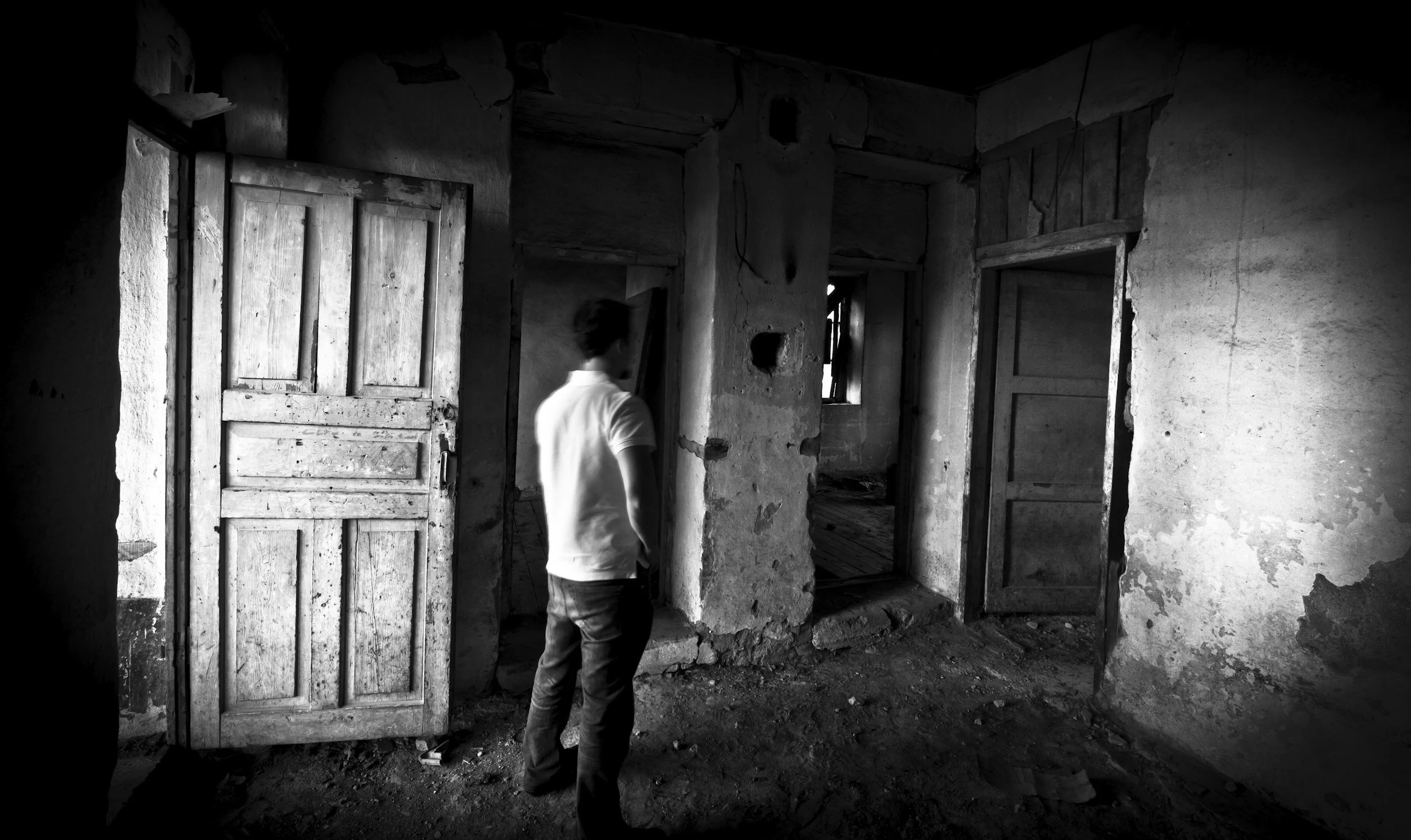
The Importance of Exploring Our Past: Lessons from an Old House
Unresolved trauma is like cracks in the foundation—hidden but damaging over time. This article explores how past experiences, family dynamics, and institutional harm (including spiritual abuse and religious trauma) shape mental health today. Learn why therapy often revisits the past to repair these foundations and build resilience. Refuge Psychology, with Christian psychologist Kylie Walls, offers compassionate support for healing from abuse, trauma, and faith-related challenges.

What Adult Grooming Is and how it overlaps with Coercive Control
Understand how grooming operates in adult, faith, and professional settings. A faith-sensitive psychologist explains the psychology of grooming across contexts, manipulation, power imbalance, and recovery after spiritual or relational betrayal.

The Hidden Harm: Understanding Adult Clergy Sexual Exploitation and the Vulnerabilities of Survivors
Understanding adult clergy sexual exploitation requires insight into spiritual abuse and the psychological dynamics that make victims more vulnerable. This article explores how cognitive dissonance, schema chemistry, and reverence for spiritual leaders can cloud victims' perceptions, making abuse harder to recognize. Highlighting the importance of appropriate vulnerability in relationships and the misuse of pastoral authority, it addresses the spiritual harm victims experience.

Understanding Adult Clergy Exploitation: Understanding the Patterns of Betrayal and Abuse
Adult clergy sexual exploitation is not an ‘affair’ but a betrayal of trust, power, and spiritual authority. This article explains the stages of grooming in clergy sexual abuse, highlighting patterns of coercive control, manipulation, and boundary violations. Learn how grooming erodes autonomy, the profound psychological and spiritual impact on survivors, and why survivor-centred, trauma-informed responses are essential for healing, justice, and safer faith communities.

When Choice Isn’t Really Choice: The Reality of Coercion
Coercion can appear in relationships, workplaces, churches, and faith communities through emotional pressure, manipulation, withholding, and spiritual abuse. This article explains the meaning of coercion, coercive control, and subtle threats, showing how they erode autonomy, trust, and wellbeing. Learn how coercion impacts intimacy, family, leadership, and religious settings, and discover strategies to recognise coercive behaviour, break unhealthy patterns, and seek safe, trauma-informed support

It Wasn’t an Affair or Romance: Understanding Power, Consent, and Coercion in Clergy Sexual Abuse
A psychologist explores how power and coercion distort “consent” in clergy sexual abuse and exploitation —and how faith-sensitive, trauma-informed therapy supports healing. Although these relationships have been seen as an affair, this does not recognise the power differential and fiduciary duty associated with the pastor’s role.

Unmasking Adult Clergy Sexual Abuse
Adult clergy sexual abuse is not an affair—it is exploitation rooted in power imbalance, grooming, and spiritual abuse. In Emily’s story, we see how manipulation, secrecy, and distorted theology erode trust and cause lasting trauma. This article explains the signs of clergy abuse, the psychology of grooming, and pathways to healing. Christian psychology support is available through Refuge Psychology with registered psychologist Kylie Walls.

The Pain of Being Scapegoated in a Church Community
Scapegoating occurs when blame or shame is unfairly placed on one person or group, often silencing those who raise concerns. In churches and faith communities, scapegoating can appear through shunning, silence, or distorted narratives. Psychological theories such as displacement, social identity, cognitive dissonance, and obedience to authority help explain why communities avoid confronting systemic issues. This article explores the impact of scapegoating in spiritual contexts.