The blog
Refuge Psychology Blog
Mindfulness | Faith | Stress | Anxiety | all
Understanding Religious OCD & Scrupulosity: A Closer Look at Scrupulosity and Its Impact
Scrupulosity, or religious OCD, traps Christians in cycles of intrusive thoughts, guilt, and compulsive rituals around faith. This article explains the signs of scrupulosity, its impact on prayer, worship, and spiritual life, and how treatments like CBT and ERP bring healing. With compassionate Christian psychology support, individuals can separate faith from fear, break the cycle of religious OCD, and rediscover peace, freedom, and authentic connection with God.

Allowing Space for Acknowledgement of Honest Mental Health Difficulties in Faith Communities and Churches
Creating emotionally safe faith communities begins with compassionate language and honest support. When churches listen, validate emotional pain, and walk alongside those who suffer, they reflect the heart of grace, mercy, and belonging.

Scrupulosity and Attachment to God: Why Early Bonds Can Make Faith, Life and God Feel Scary
Scrupulosity—religious OCD—can make faith feel like constant fear of disappointing God. Psychologist Kylie Walls explains that these struggles often stem from deeper attachment patterns shaped in childhood and reinforced by harmful spiritual environments. When leaders are controlling or shaming, the nervous system may learn to view God the same way. Healing is possible with supportive, evidence-based therapy.
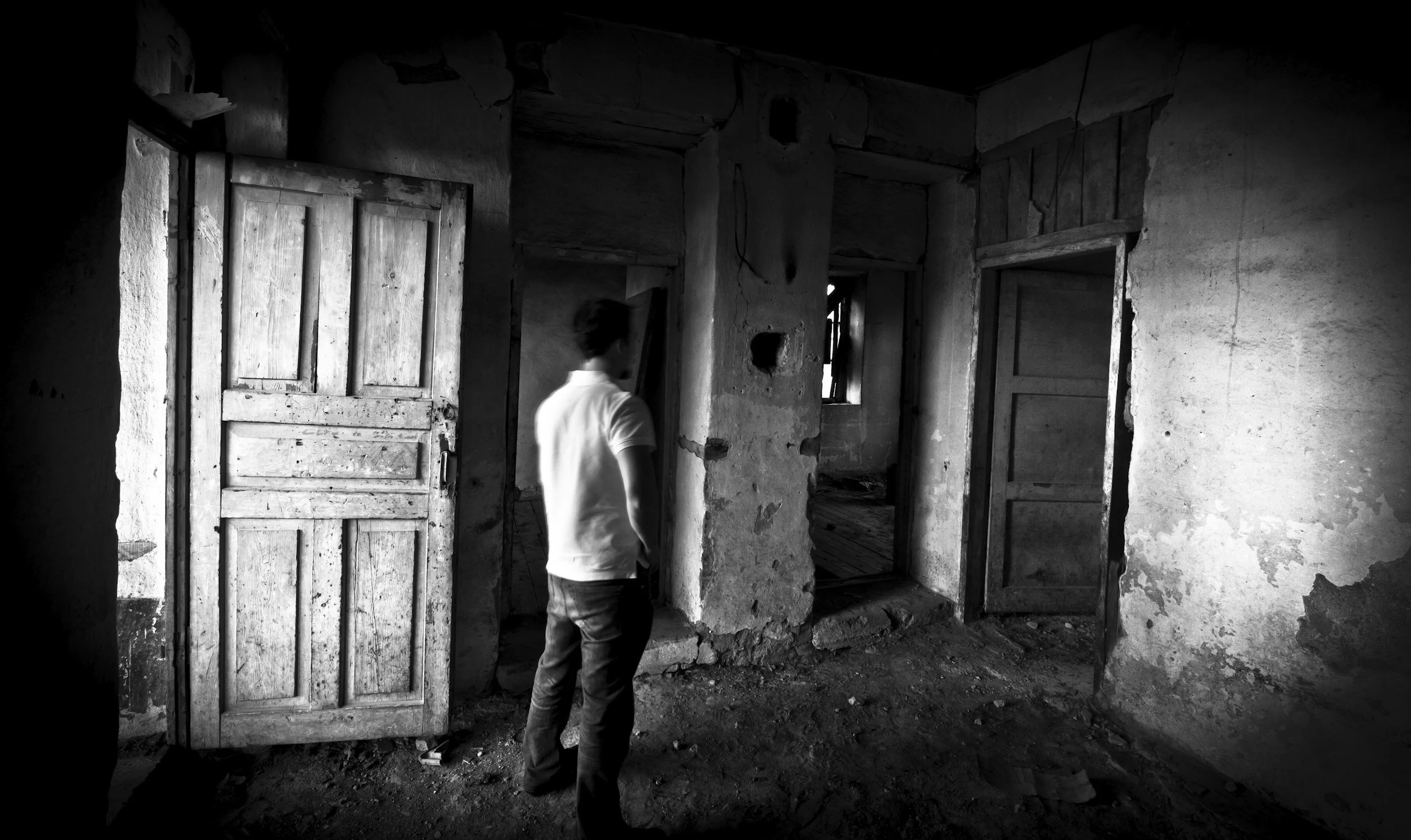
The Importance of Exploring Our Past: Lessons from an Old House
Unresolved trauma is like cracks in the foundation—hidden but damaging over time. This article explores how past experiences, family dynamics, and institutional harm (including spiritual abuse and religious trauma) shape mental health today. Learn why therapy often revisits the past to repair these foundations and build resilience. Refuge Psychology, with Christian psychologist Kylie Walls, offers compassionate support for healing from abuse, trauma, and faith-related challenges.

Understanding Spiritual Bypassing: When Faith Language Replaces Feeling and Processing of Emotion
Explore how spiritual bypassing develops and how it affects emotional and relational wellbeing. A trauma-informed psychologist offers guidance on healing, integrating faith and feelings, and building emotionally healthy Christian and religious communities.

Sacred Burdens: How Ministry Can Wound Those Who Serve
Many pastors and chaplains quietly carry emotional exhaustion and spiritual distress. A psychologist who understands ministry can help faith leaders process burnout, compassion fatigue, and trauma, and rediscover meaning and wellbeing in their calling.
Breaking the Scrupulosity Cycle: What Drives Religious OCD
Scrupulosity is religious OCD, where faith and fear collide. Learn how a faith-sensitive psychologist helps break the cycle of intrusive thoughts, compulsions, and guilt using evidence-based, compassionate therapy.
You Can Have Faith and Still See a Psychologist
Feeling anxious, low, or overwhelmed doesn’t mean you’ve lost faith. Discover how therapy and Christian belief can work together to support mental health, strengthen resilience, and help you reconnect with peace through faith-sensitive care.
Adult Clergy Sexual Abuse and PTSD: When Trust Turns into Trauma
Scrupulosity is religious OCD, where faith and fear collide. Learn how a faith-sensitive psychologist helps break the cycle of intrusive thoughts, compulsions, and guilt using evidence-based, compassionate therapy.
When Faith Leads to Avoidance: Understanding Spiritual Bypassing in Christian Contexts
Learn how spiritual bypassing can show up in Christian communities—when faith is used to avoid pain or accountability. A faith-sensitive psychologist explains how to recognise bypassing, support healing, and build emotionally healthy spirituality.
Perfectionism, Scrupulosity and the Quest for Certainty: When “Perfect” Is Never Enough
Struggling with faith-based anxiety or perfectionism? A psychologist for scrupulosity or moral OCD can help you find peace, understand your thoughts, and rebuild trust in your faith through compassionate, evidence-based therapy.
The Weight of the Collar: Understanding Why Ministry Hurts So Much
Many pastors and chaplains experience burnout, fatigue, and spiritual exhaustion. Learn why ministry takes such a toll and how counselling with a faith-sensitive psychologist can help restore balance, purpose, and emotional wellbeing.
Breaking the Cycle of Rumination and Worry
Do you stay up at night worrying and ruminating? Discover psychology for Christians that addresses rumination and worry. An Australian Christian psychologist explains schema therapy, the inner critic, and faith-sensitive ways to find freedom from thought loops and live with greater peace.
Understanding Burnout & Recovery
Burnout is more than stress—it’s emotional exhaustion, disconnection, and loss of purpose. Karen’s story reveals how chronic workplace demands and leadership pressures can spiral into burnout. Learn the signs, impacts, and recovery strategies, including therapy and Christian psychology support. Refuge Psychology, led by registered psychologist Kylie Walls, offers compassionate, faith-sensitive care for leaders and individuals facing burnout and mental health challenges.
Exploring the Impact of Moral Injury: Strategies for Promoting Resilience in High-Stress Environments
Discover how moral injury, PTSD, and occupational burnout impact mental health in high-stress professions. Learn about the importance of psychological safety within workplaces and ways to recover from moral injury
About Kylie
Hi, I’m Kylie Walls, a registered psychologist and the founder of Refuge Psychology.
My practice is shaped by professional experience, research, and a long-standing commitment to supporting people navigating complex emotional, relational, and faith-related experiences. I have worked with individuals from a wide range of backgrounds and faith traditions, and I have also held volunteer and professional roles within church and ministry contexts. These experiences have deepened my understanding of the unique dynamics that can arise when wellbeing, identity, and faith intersect — and the importance of care that is both sensitive and clinically grounded.
I have published research on control, attachment, and emotional regulation, and have previously worked as a Domestic and Family Violence Advisor within a faith-based organisation. I began my career as a teacher and later spent time working in photography, but my ongoing interest in people — their stories, relationships, and inner worlds — led me into psychological practice. I bring both professional and lived experience to my work in a way that is clinically grounded, respectful, and client-led.
Areas of Interest
Areas of Special Interest
I offer support to adults who may be:
Managing general mental health concerns such as anxiety, depression, stress, grief, or life transitions — whether or not these are connected to faith or ministry.
Navigating confusing, painful, or high-pressure experiences in church or ministry environments, including those recovering from spiritual abuse, coercion, or high-control faith settings, including cults.
Pastors, ministry leaders, and caregivers experiencing stress, burnout, role strain, or relational challenges within ministry or leadership roles.
Experiencing domestic and family violence, coercive control, or destructive relationship patterns — whether in intimate partnerships, family, community, or faith-based contexts.
Experiencing scrupulosity / Religious OCD or distress related to rigid or fear-based beliefs.
Facing workplace challenges, including bullying, power imbalances, role strain, or organisational conflict, and the emotional toll these experiences can create.
Couples seeking support around communication, connection, conflict patterns, recovery after relational harm, infidelity, or navigating values and expectations within relationships.
Inclusive and Client-Led Care
While I have a particular interest in supporting people from faith backgrounds, I welcome clients from all backgrounds. My focus is on providing compassionate, trauma-informed, and ethical psychological care that honours each person’s values, experiences, and goals for wellbeing.
This is a collaborative space, shaped by your needs and values.