
the blogArticles & Reflections

Allowing Space for Acknowledgement of Honest Mental Health Difficulties in Faith Communities and Churches
Creating emotionally safe faith communities begins with compassionate language and honest support. When churches listen, validate emotional pain, and walk alongside those who suffer, they reflect the heart of grace, mercy, and belonging.

Scrupulosity and Attachment to God: Why Early Bonds Can Make Faith, Life and God Feel Scary
Scrupulosity—religious OCD—can make faith feel like constant fear of disappointing God. Psychologist Kylie Walls explains that these struggles often stem from deeper attachment patterns shaped in childhood and reinforced by harmful spiritual environments. When leaders are controlling or shaming, the nervous system may learn to view God the same way. Healing is possible with supportive, evidence-based therapy.
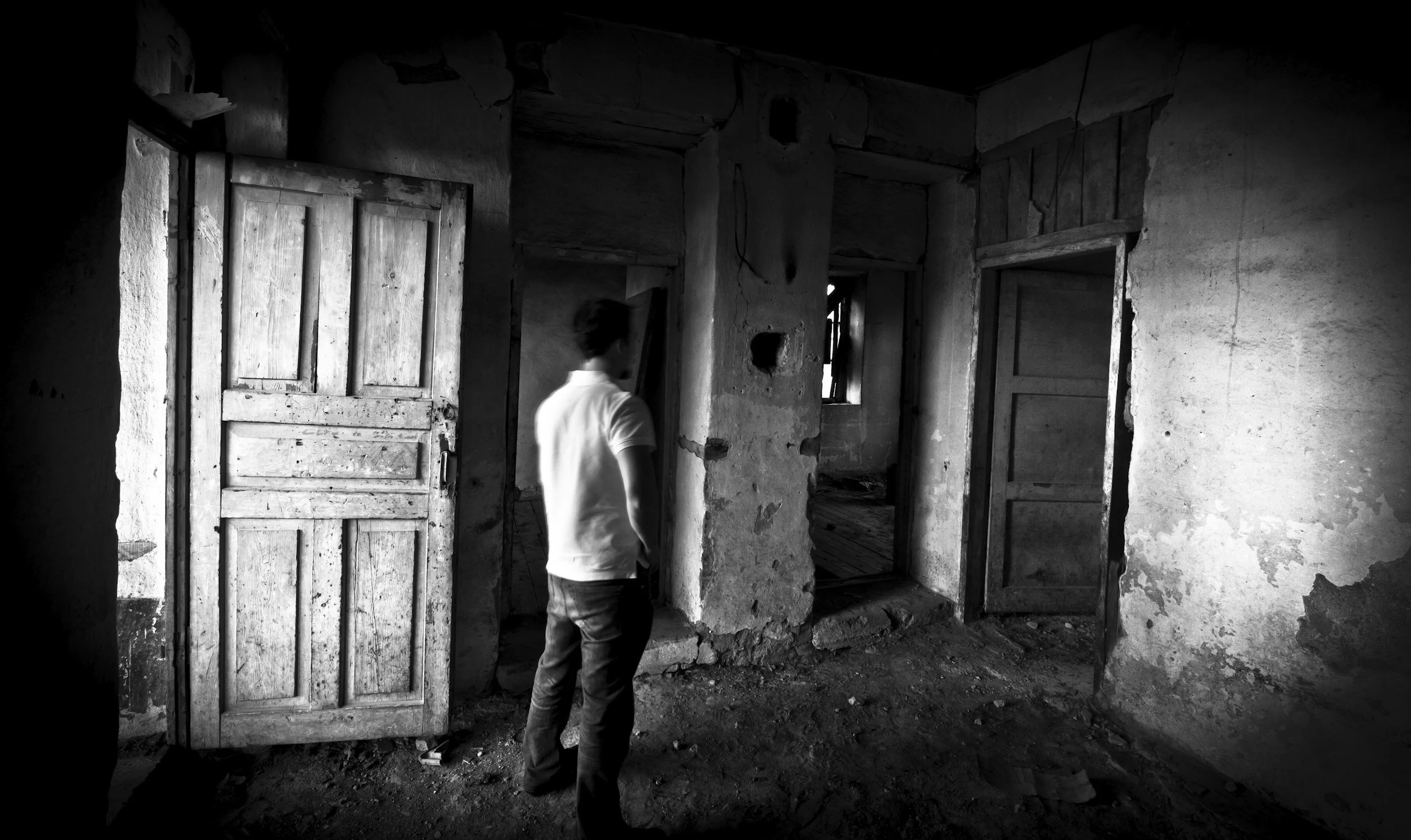
The Importance of Exploring Our Past: Lessons from an Old House
Unresolved trauma is like cracks in the foundation—hidden but damaging over time. This article explores how past experiences, family dynamics, and institutional harm (including spiritual abuse and religious trauma) shape mental health today. Learn why therapy often revisits the past to repair these foundations and build resilience. Refuge Psychology, with Christian psychologist Kylie Walls, offers compassionate support for healing from abuse, trauma, and faith-related challenges.

What Adult Grooming Is and how it overlaps with Coercive Control
Understand how grooming operates in adult, faith, and professional settings. A faith-sensitive psychologist explains the psychology of grooming across contexts, manipulation, power imbalance, and recovery after spiritual or relational betrayal.

The Hidden Harm: Understanding Adult Clergy Sexual Exploitation and the Vulnerabilities of Survivors
Understanding adult clergy sexual exploitation requires insight into spiritual abuse and the psychological dynamics that make victims more vulnerable. This article explores how cognitive dissonance, schema chemistry, and reverence for spiritual leaders can cloud victims' perceptions, making abuse harder to recognize. Highlighting the importance of appropriate vulnerability in relationships and the misuse of pastoral authority, it addresses the spiritual harm victims experience.

When the Sacred Feels Heavy - Burnout in Pastors
Many pastors and ministry leaders quietly experience burnout. This article explores why clergy face unique pressures, how faith and exhaustion intertwine, and how psychological support can help restore balance, purpose, and spiritual wellbeing.

Understanding Adult Clergy Exploitation: Understanding the Patterns of Betrayal and Abuse
Adult clergy sexual exploitation is not an ‘affair’ but a betrayal of trust, power, and spiritual authority. This article explains the stages of grooming in clergy sexual abuse, highlighting patterns of coercive control, manipulation, and boundary violations. Learn how grooming erodes autonomy, the profound psychological and spiritual impact on survivors, and why survivor-centred, trauma-informed responses are essential for healing, justice, and safer faith communities.

When Choice Isn’t Really Choice: The Reality of Coercion
Coercion can appear in relationships, workplaces, churches, and faith communities through emotional pressure, manipulation, withholding, and spiritual abuse. This article explains the meaning of coercion, coercive control, and subtle threats, showing how they erode autonomy, trust, and wellbeing. Learn how coercion impacts intimacy, family, leadership, and religious settings, and discover strategies to recognise coercive behaviour, break unhealthy patterns, and seek safe, trauma-informed support