
the blogArticles & Reflections

The Sign in the Window: On Complicity, Ideology, and the Architecture of Spiritual Harm
What sustains harm in spiritually abusive churches isn't the perpetrator alone — it's the quiet, semi-conscious compliance of those around them. A psychologist’s analysis of Václav Havel's The Power of the Powerless and his greengrocer as a lens for religious trauma, bystander complicity, and the slow work of repair.
Understanding the Effects of Adult Grooming and sexual exploitation in Spiritual Settings
This article by psychologist Kylie Walls explores the psychological effects of adult sexual grooming and exploitation in religious and spiritual settings, including clergy sexual abuse, spiritual abuse, and clergy sexual misconduct. Written by a psychologist with a area of focus in religious trauma, it examines how grooming works in faith communities, why survivors often do not recognise it as abuse, and what the aftermath looks like, including PTSD, complex trauma, shame, loss of faith, and disrupted sense of self.
When Trust Becomes Vulnerability: Victims of spiritual coercion, exploitation, or grooming
Many people who have been groomed or manipulated in a religious setting ask the same question: was there something about me that made this happen? Written by a psychologist with a special interest in spiritual abuse and adult grooming, this piece explains what grooming and manipulation look like in religious contexts — and why vulnerability is never a personal failing.
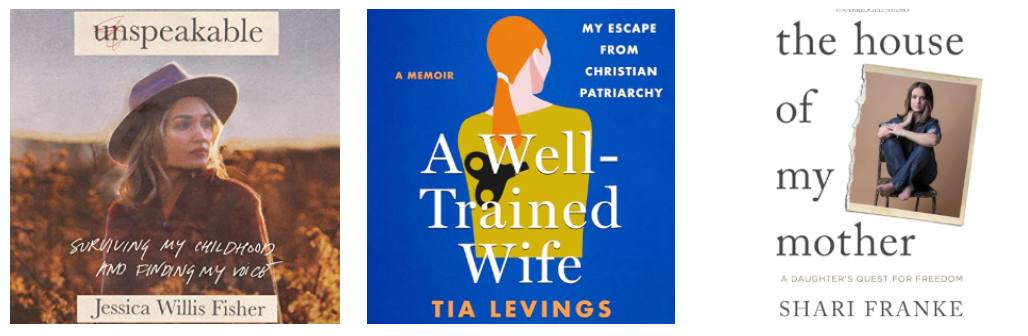
When Faith Harms: Understanding Religious Trauma in the Family
Religious trauma can develop within family systems shaped by control, silence, and spiritual authority. This article explores lived experiences of those who have experienced spiritual abuse, coercive control and domestic violence in religious families.

What Adult Grooming Is and how it overlaps with Coercive Control
Understand how grooming operates in adult, faith, and professional settings. A faith-sensitive psychologist explains the psychology of grooming across contexts, manipulation, power imbalance, and recovery after spiritual or relational betrayal.

The Hidden Harm: Understanding Adult Clergy Sexual Exploitation and the Vulnerabilities of Survivors
Understanding adult clergy sexual exploitation requires insight into spiritual abuse and the psychological dynamics that make victims more vulnerable. This article explores how cognitive dissonance, schema chemistry, and reverence for spiritual leaders can cloud victims' perceptions, making abuse harder to recognize. Highlighting the importance of appropriate vulnerability in relationships and the misuse of pastoral authority, it addresses the spiritual harm victims experience.

Understanding Adult Clergy Exploitation: Understanding the Patterns of Betrayal and Abuse
Adult clergy sexual exploitation is not an ‘affair’ but a betrayal of trust, power, and spiritual authority. This article explains the stages of grooming in clergy sexual abuse, highlighting patterns of coercive control, manipulation, and boundary violations. Learn how grooming erodes autonomy, the profound psychological and spiritual impact on survivors, and why survivor-centred, trauma-informed responses are essential for healing, justice, and safer faith communities.

It Wasn’t an Affair or Romance: Understanding Power, Consent, and Coercion in Clergy Sexual Abuse
A psychologist explores how power and coercion distort “consent” in clergy sexual abuse and exploitation —and how faith-sensitive, trauma-informed therapy supports healing. Although these relationships have been seen as an affair, this does not recognise the power differential and fiduciary duty associated with the pastor’s role.