
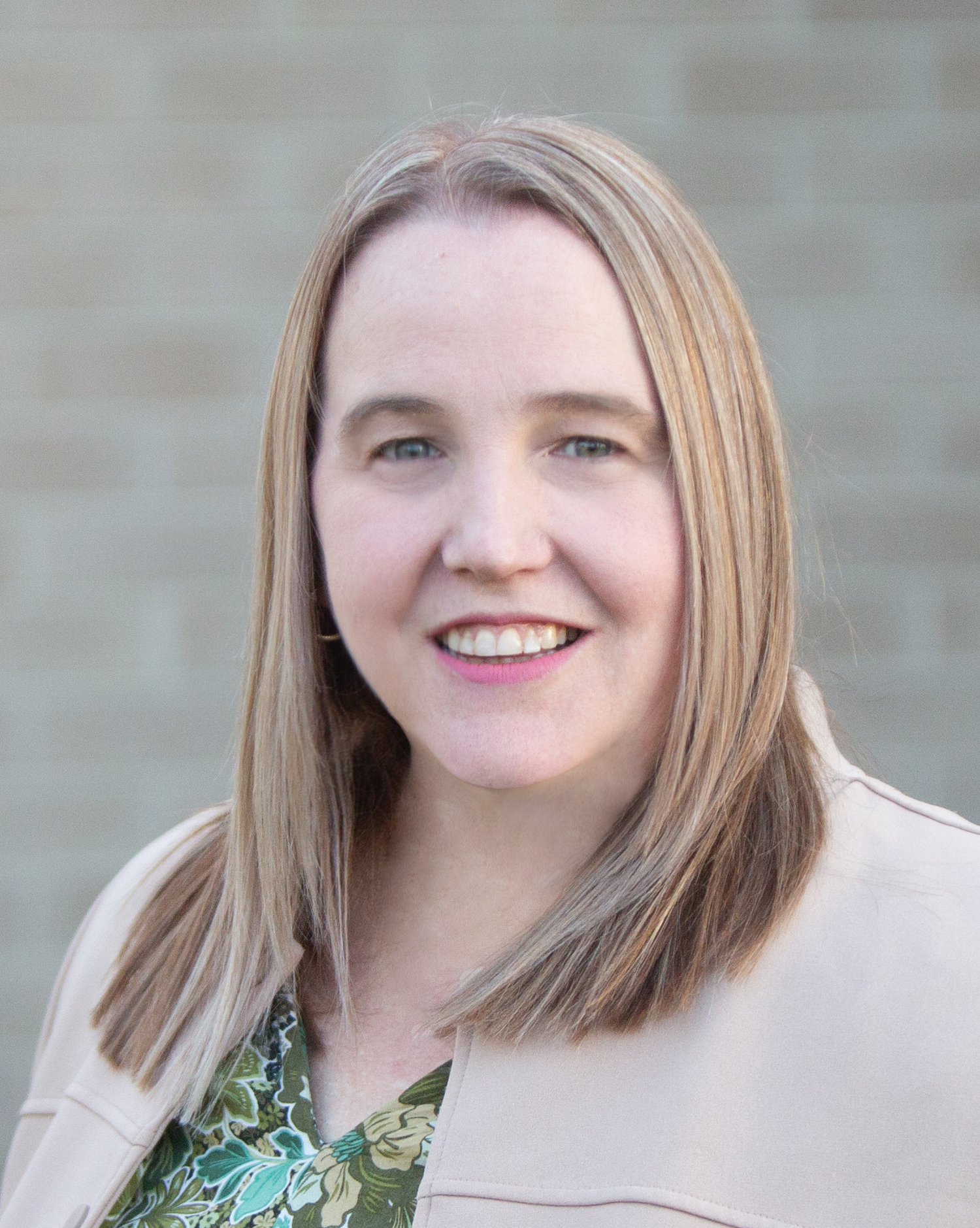
About therapistHi, I’m Kylie Walls, a registered psychologist and the founder of Refuge Psychology.
My practice is shaped by extensive professional training, research, and experience working across education, community, and private practice settings. I have worked with adults experiencing complex emotional and relational difficulties, domestic and family violence, coercive control, and distress linked to identity, belief, and belonging — including within faith and ministry contexts.
I have published research examining control, attachment, and emotional regulation, and previously worked as a Domestic and Family Violence Advisor within a faith-based organisation, supporting safer and more informed responses to harm. Alongside clinical practice, I have held professional and volunteer roles within church and ministry environments, which has deepened my understanding of the unique dynamics that can arise when wellbeing, relationships, and faith intersect. This experience informs an approach that is clinically grounded, culturally sensitive, and ethically focused.


The Story of Refuge Psychology…
Across years of working with people in schools, community settings, and now in private practice, I found myself repeatedly sitting with adults who were carrying the cost of trying to survive within complicated systems — families, intimate relationships, workplaces, caregiving roles, institutions, and faith communities.
Often, the difficulties looked familiar on the surface: anxiety, low mood, burnout, relationship distress, shame, emotional reactivity, or disconnection. But again and again, it became clear that these struggles had developed in interaction with context. Power imbalances, chronic pressure, unmet emotional needs, and environments that did not feel emotionally or psychologically safe shaped the ways people learned to cope, relate, and protect themselves. Over time, these coping responses — such as self-criticism, people-pleasing, emotional withdrawal, hyper-responsibility, vigilance, or over-control — can become entrenched patterns that begin to interfere with wellbeing, relationships, work, and identity.
This understanding was shaped not only in therapy rooms, but through roles in education, domestic and family violence response, and organisational and faith-based settings. In these contexts, I saw how distress often develops gradually rather than through a single dramatic event. Ongoing pressure, blurred boundaries, unrealistic expectations, or repeated dismissal can wear people down over time. Many people come to therapy unsure whether what they experienced was “serious enough” to matter, questioning their own reactions, and wondering whether their distress is valid.
Although I work with people from all backgrounds and with those who have experienced challenges in a range of contexts, my work includes a focus on supporting people affected by complex relational and systemic dynamics within faith settings, with culturally sensitive and ethical care.
I am faith-affirming in my approach, and this interest sits within a broader, trauma-informed lens. I recognise that, for some, shared cultural understanding around faith can be an important part of feeling understood in therapy. Having worked and volunteered within religious and ministry environments, I understand the meaning, commitment, and hope faith can bring, alongside the complexity that can arise when spiritual authority is misused, faith concepts are misused, distress is spiritualised, or people are not adequately protected. For some clients, faith remains a vital source of meaning, resilience, and hope; for others, it has become complicated, painful, or fractured through experiences of control, betrayal, or silencing. For others, faith has become more complicated, carrying both loss and significance.
Over time, schema therapy became the framework that most closely matched what I was seeing in practice. It offered a way to make sense of why certain emotional and relational patterns repeat — and why insight alone is often not enough to shift them. Importantly, schema therapy holds two truths at once: that these patterns once made sense and helped people cope, and that meaningful change requires active work to develop new ways of responding, relating, and meeting needs.
Refuge Psychology was created to provide thoughtful psychological care that helps people understand their experiences of distress in context, and to support change — moving out of survival patterns and behaviours toward greater flexibility, agency, and wellbeing. Faith, values, and belief are never assumed or imposed, but are held with care if they are meaningful to you.
At its core, Refuge Psychology exists to provide refuge — a place where patterns can be named honestly, change can be worked toward deliberately, and people are supported in making sense of their experiences and moving forward.
Areas of Interest
I work with adults experiencing a wide range of emotional, relational, and psychological challenges, including:
Stress, anxiety, and depression
Burnout and emotional exhaustion, including ministry-related burnout, workplace fatigue, and caregiving strain
Relationship and communication difficulties, including couples therapy and support following relational rupture or harm
Domestic and family violence, including coercive control and the emotional impact of unsafe or controlling relationships
Complex emotional experiences linked to faith, identity, or belonging, including loss of meaning, identity conflict, or moral distress
Distress associated with rigid or fear-based religious beliefs, including scrupulosity / Religious OCD, excessive guilt, or intrusive moral or religious thoughts
Confusing, painful, or harmful experiences within faith or ministry settings, including spiritual abuse, religious harm, misuse of authority, and clergy sexual abuse
I also work with adults who experience long-standing or entrenched patterns that interfere with emotional wellbeing, relationships, work, or sense of self — particularly when these patterns feel difficult to shift through insight or coping strategies alone. In these cases, schema therapy may be offered. Schema therapy can be especially helpful for people who feel stuck in recurring cycles of:
self-criticism or shame
emotional disconnection or avoidance
heightened emotional reactivity
people-pleasing or self-sacrifice
fear, mistrust, or relationship distress
You do not need to have a clearly defined “problem,” and you do not need to know how to explain your experience before you come. Therapy can begin with curiosity, uncertainty, or simply a sense that something is not quite right.
I welcome people of all faiths and backgrounds, including those with experience of high-control religious environments, disenfranchisement, or harm — as well as those who prefer not to discuss or explore faith or spirituality as part of therapy.
You are welcome to begin from wherever you are. This is a collaborative space, shaped by your needs and values.


About Kylie Walls
❈
Qualifications
Registered Psychologist - Psychology Board of Australia
Registered Teacher (Qld)
❈
Education
Master of Psychological Practice, CSU
Master of Guidance & Counselling, QUT
Bachelor of Psychology, UNE
Bachelor of Ed/Bachelor of Music, UQ
❈
Associations
Australian Association of Psychologists (AAPi)
International Society of Schema Therapy (ISST)
Christian Counsellors Association of Australia (CCAA)
❈
Additional Training
Individual Schema Therapy
Couples Schema Therapy
Gottman Couples Therapy
EMDR Therapy
Emotionally Focused Therapy
CBT, DBT, ERP
❈
Published Research
Investigated coercive control, attachment styles, emotion regulation, and shame in intimate relationships.
Journal of Family Violence
❈
Focus Areas / Special Interests
Mental health challenges · Relational and family difficulties · Domestic and family violence · Workplace stress and burnout · Recovery from harmful or high-control relationships and systems · Faith-based harm and spiritual abuse · Ministry-related stress and support · Scrupulosity (Religious OCD) · Couples therapy and relationship counselling
My Approach is…
evidence basedSupport is grounded in well-established psychological research and clinical approaches shown to be effective, while remaining responsive to your needs and goals.
compassionateCare is offered with warmth, empathy, and respect, creating a safe space where you can be heard with understanding.
Trauma-informedTherapy recognises the impact of past and present trauma, prioritising your safety, choice, and sense of control throughout the process. Trauma-informed approaches are used.
respectful of your unique situation, beliefs and storySupport is tailored to your lived experience, values, and worldview, with sensitivity to cultural, spiritual, and personal contexts.
“Our stories shape how we see ourselves and the world around us. Experiences of faith-related harm, mental health challenges, ministry pressures, or difficult relationships can leave lasting marks — yet help is available. I hold each story with care and respect, offering trauma-informed support that honours your beliefs, values, and lived experience”.
Kylie Walls, Psychologist. Refuge Psychology


Publications & Media

With All Due Respect
In this episode, psychologist Kylie Walls joins Megan Powell du Toit and Michael Jensen for a conversation about coercive control, faith, and the misuse of power in Christian communities.
Drawing from her clinical work, Kylie explores how spiritual language and leadership structures can sometimes be used to jusitfy or conceal patterns or control.
the controlling church
Published Research on Coercive Control
Co-authored by psychologist Kylie Walls and colleagues, this peer-reviewed study examines how insecure attachment, emotion dysregulation, and shame contribute to controlling behaviours in intimate partnerships.
This is a helpful resource for researchers, clinicians, and those working to understand relational coercion.
Journal of family violence
Visit the Refuge Psychology Blog
Welcome to the blog for Refuge Psychology—a space for thoughtful reflection, education, and support around spiritual trauma, religious abuse, and the complexities of faith and mental health. Here you'll find insights from psychology, clinical experience, and research to help make sense of what happens when spiritual spaces become unsafe—and how healing is possible.
Blog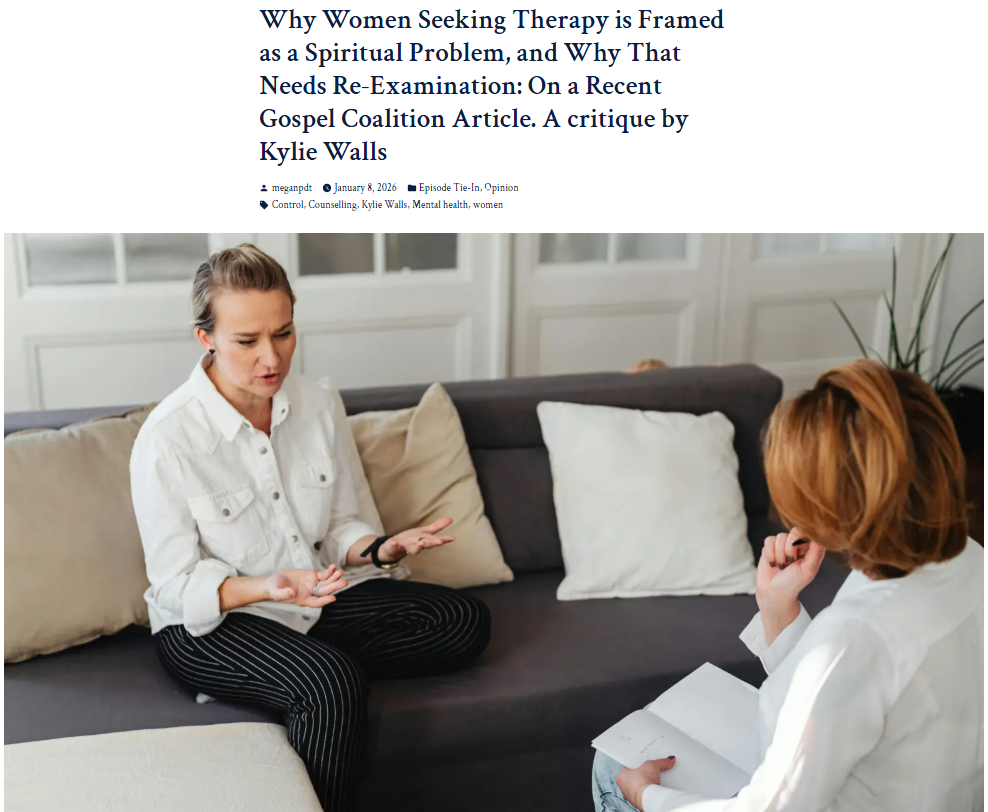
Why Women Seeking Therapy is Framed as a Spiritual Problem, and Why That Needs Re-Examination: On a Recent Gospel Coalition Article. A critique by Kylie WallsArticle - WARD
A written response to a recent article published by The Gospel Coalition. My article, published in WADR Online, offers a critique of the way the original piece frames women seeking therapy as spiritually problematic.
Fees, Rebates & Referral Information

-
Individual Consultation - $225/session
Couples Therapy - $260/session
A $30 surcharge applies to out-of-hours appointments (after 5:00 weekdays, and all weekend appointments)
With a Mental Health Treatment Plan, a rebate of $98.95 is available for up to 10 appointments per calendar year for individual appointments. This cannot be used for couples therapy appointments.
Private Health Fund rebates may be available at the discretion of your fund.
I offer a limited number of reduced-fee places for clients with extenuating circumstances, but once these are filled I’m unable to take on more. If needed, you’re welcome to discuss this with me before your first session.
-
A referral is not required. You are able to book appointments without a GP referral. However, you may be eligible for Medicare rebates with a GP Referral with a Mental Health Treatment Plan.
Medicare Rebates: $98.95 with a Mental Health Treatment Plan (for 10 appointments per calendar year).
Rebates for private health funds are available without a referral. Seek advice from your individual health fund before booking to confirm this.
-
If you cancel your appointment after 8:00 AM the day before you appointment, or no-show, the following cancellation policy applies:
Grace pass: As I understand life happens, each client receives one late-cancellation waiver per calendar year, regardless of whether the slot is re-filled.
Any no-shows or late cancellations beyond the grace pass will incure a cancellation fee of $80.
Medicare, private health funds, and most third-party payers do not rebate cancellation fees.
View the Lastes on the Refuge Psychology Blog






let's get started