

The blogRefuge Psychology Blog

From Defensiveness to Dialogue: Tools for Healthier Interactions
Defensiveness is a common response to criticism, but it can harm relationships, families, workplaces, and faith communities. This article explores types of defensiveness, psychoanalytic roots, and impacts on communication. Drawing on John Gottman’s research and Schema Therapy, it provides practical tools to move from defensiveness to dialogue, strengthen emotional safety, and build healthier connections at home, work, and in spiritual settings.

Understanding Control in Relationships: Insights from Our Latest Research
Why do some people use control in relationships? Research led by psychologist Kylie Walls (2024) links controlling behaviours to insecure attachment, emotion dysregulation, and shame. This article explores how anxious and avoidant attachment styles contribute to unhealthy dynamics and how therapies like EFT, DBT, and shame resilience work can foster emotional safety, healthier communication, and healing in couples. Includes Christian psychology support.

“Why Am I Like This in Relationships?” A Look at Attachment and Emotional Reactivity
Attachment theory explains why we react the way we do in relationships. This article explores secure, anxious, avoidant, and disorganised attachment styles, their links to emotional reactivity and conflict, and how therapy helps create healthier connections. Learn how early caregiving shapes intimacy, trust, and emotion regulation, and discover practical ways to heal insecure attachment patterns for stronger, more resilient relationships.
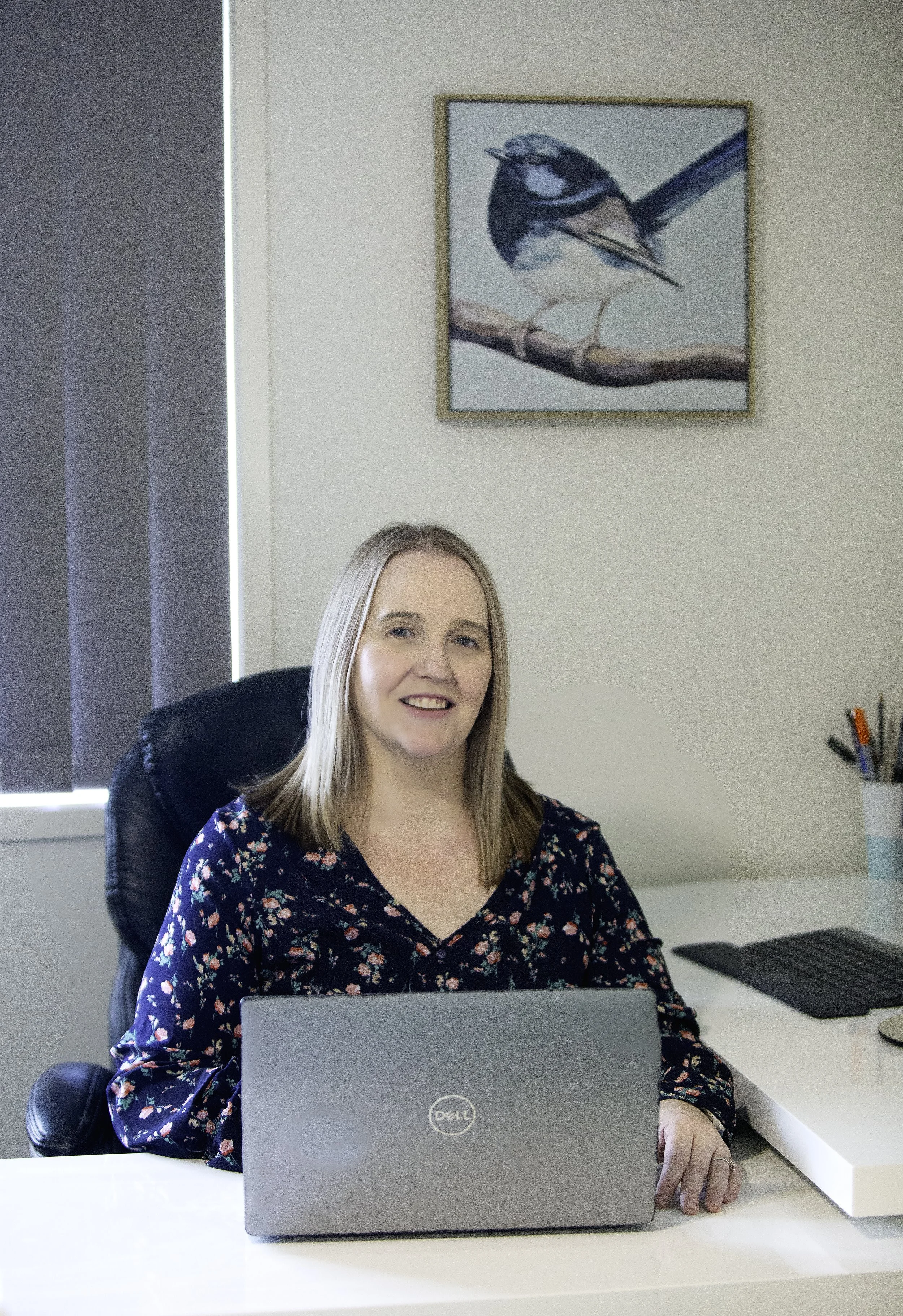
About KylieHi, I’m Kylie Walls, a registered psychologist and the founder of Refuge Psychology.
My practice is shaped by professional experience, research, and a long-standing commitment to supporting people navigating complex emotional, relational, and faith-related experiences. I have worked with individuals from a wide range of backgrounds and faith traditions, and I have also held volunteer and professional roles within church and ministry contexts. These experiences have deepened my understanding of the unique dynamics that can arise when wellbeing, identity, and faith intersect — and the importance of care that is both sensitive and clinically grounded.
I have published research on control, attachment, and emotional regulation, and have previously worked as a Domestic and Family Violence Advisor within a faith-based organisation. I began my career as a teacher and later spent time working in photography, but my ongoing interest in people — their stories, relationships, and inner worlds — led me into psychological practice. I bring both professional and lived experience to my work in a way that is clinically grounded, respectful, and client-led.
Areas of Interest
Areas of Special Interest
I offer support to adults who may be:
Managing general mental health concerns such as anxiety, depression, stress, grief, or life transitions — whether or not these are connected to faith or ministry.
Navigating confusing, painful, or high-pressure experiences in church or ministry environments, including those recovering from spiritual abuse, coercion, or high-control faith settings, including cults.
Pastors, ministry leaders, and caregivers experiencing stress, burnout, role strain, or relational challenges within ministry or leadership roles.
Experiencing domestic and family violence, coercive control, or destructive relationship patterns — whether in intimate partnerships, family, community, or faith-based contexts.
Experiencing scrupulosity / Religious OCD or distress related to rigid or fear-based beliefs.
Facing workplace challenges, including bullying, power imbalances, role strain, or organisational conflict, and the emotional toll these experiences can create.
Couples seeking support around communication, connection, conflict patterns, recovery after relational harm, infidelity, or navigating values and expectations within relationships.
Inclusive and Client-Led Care
While I have a particular interest in supporting people from faith backgrounds, I welcome clients from all backgrounds. My focus is on providing compassionate, trauma-informed, and ethical psychological care that honours each person’s values, experiences, and goals for wellbeing.
This is a collaborative space, shaped by your needs and values.