

The blogRefuge Psychology Blog

Unmasking Adult Clergy Sexual Abuse
Adult clergy sexual abuse is not an affair—it is exploitation rooted in power imbalance, grooming, and spiritual abuse. In Emily’s story, we see how manipulation, secrecy, and distorted theology erode trust and cause lasting trauma. This article explains the signs of clergy abuse, the psychology of grooming, and pathways to healing. Christian psychology support is available through Refuge Psychology with registered psychologist Kylie Walls.

The Pain of Being Scapegoated in a Church Community
Scapegoating occurs when blame or shame is unfairly placed on one person or group, often silencing those who raise concerns. In churches and faith communities, scapegoating can appear through shunning, silence, or distorted narratives. Psychological theories such as displacement, social identity, cognitive dissonance, and obedience to authority help explain why communities avoid confronting systemic issues. This article explores the impact of scapegoating in spiritual contexts.

The Sexual Grooming Model: How Manipulation Unfolds, and How Understanding it can Help you Heal
Psychologist explains the five stages of sexual grooming and how manipulation unfolds in spiritual or authority contexts. Learn how understanding these patterns helps survivors rebuild trust, recognise coercive control, and begin healing from abuse.

Spiritual Abuse: Understanding, Recovering, and escaping the invisible cage
Spiritual abuse and coercive control can leave deep psychological, emotional, and spiritual scars. This article explains how manipulation, misuse of scripture, and clergy exploitation erode autonomy and faith. Learn how spiritual abuse impacts identity, mental health, and relationships—and why independent, trauma-informed care and Christian psychology support are essential for recovery, resilience, and healing in faith contexts.

Faith, Trust, and Control: Making Sense of Spiritual Abuse
Spiritual abuse occurs when faith or religious authority is misused to control, shame, or silence. Learn how a psychologist explains its signs, impact, and recovery pathways. If you’re in distress, call Lifeline on 13 11 14.

Spiritual Abuse Counselling: What Helps and What Doesn’t
Spiritual abuse counselling provides a safe space to heal from the misuse of faith, authority, and control. Learn how therapy can help survivors of spiritual abuse rebuild trust, process grief, and reclaim their voice—while avoiding common pitfalls that may repeat harmful dynamics.

Understanding Control in Relationships: Insights from Our Latest Research
Why do some people use control in relationships? Research led by psychologist Kylie Walls (2024) links controlling behaviours to insecure attachment, emotion dysregulation, and shame. This article explores how anxious and avoidant attachment styles contribute to unhealthy dynamics and how therapies like EFT, DBT, and shame resilience work can foster emotional safety, healthier communication, and healing in couples. Includes Christian psychology support.

Adult Clergy Sexual Abuse and PTSD: When Trust Turns into Trauma
Adult clergy sexual abuse causes profound psychological and spiritual trauma. Research shows high rates of PTSD, relational harm, and loss of faith following abuse by trusted religious leaders. This article explores the impact of adult clergy sexual abuse, institutional betrayal, and pathways to healing through trauma-informed, faith-sensitive support.
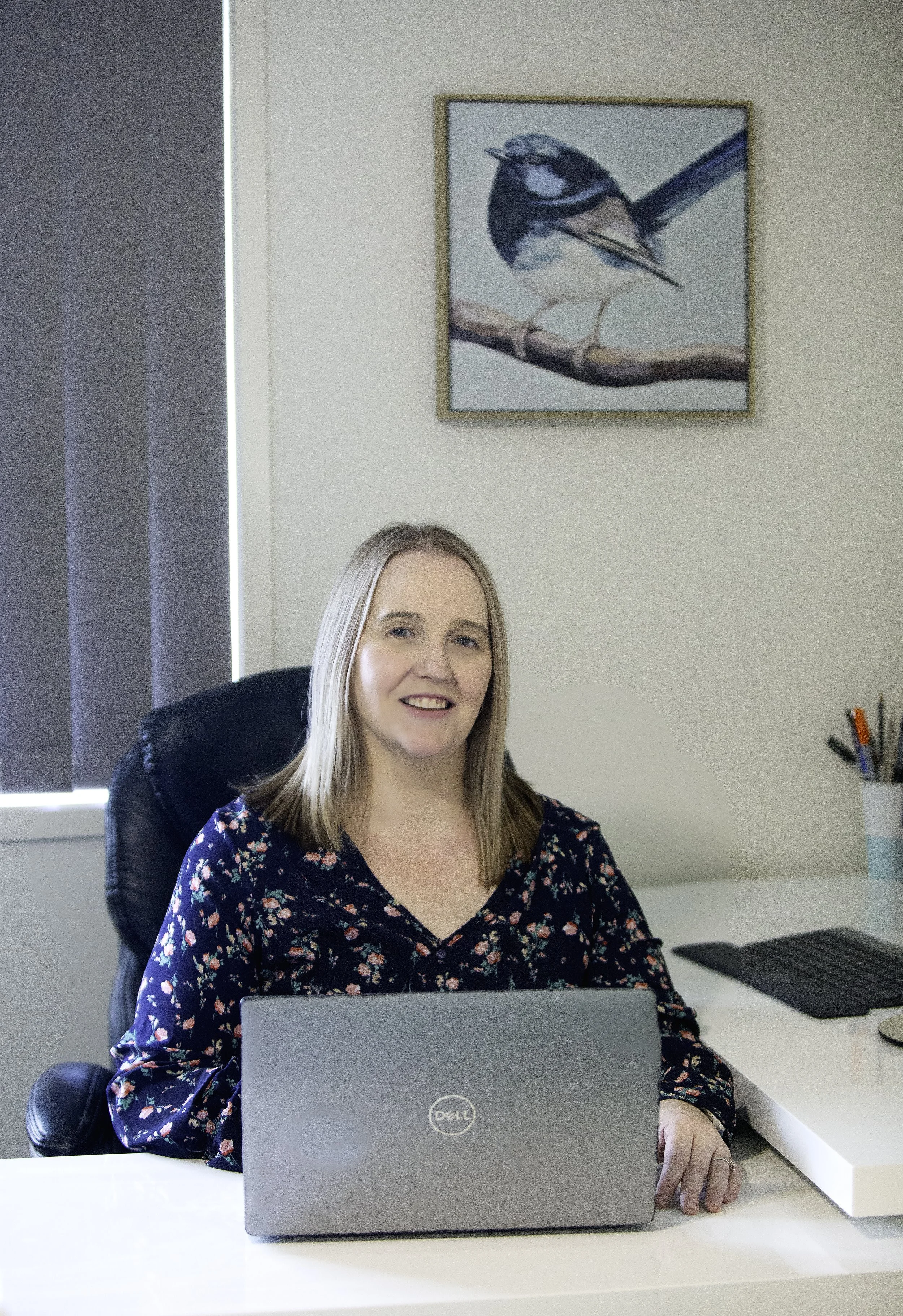
About KylieHi, I’m Kylie Walls, a registered psychologist and the founder of Refuge Psychology.
My practice is shaped by professional experience, research, and a long-standing commitment to supporting people navigating complex emotional, relational, and faith-related experiences. I have worked with individuals from a wide range of backgrounds and faith traditions, and I have also held volunteer and professional roles within church and ministry contexts. These experiences have deepened my understanding of the unique dynamics that can arise when wellbeing, identity, and faith intersect — and the importance of care that is both sensitive and clinically grounded.
I have published research on control, attachment, and emotional regulation, and have previously worked as a Domestic and Family Violence Advisor within a faith-based organisation. I began my career as a teacher and later spent time working in photography, but my ongoing interest in people — their stories, relationships, and inner worlds — led me into psychological practice. I bring both professional and lived experience to my work in a way that is clinically grounded, respectful, and client-led.
Areas of Interest
Areas of Special Interest
I offer support to adults who may be:
Managing general mental health concerns such as anxiety, depression, stress, grief, or life transitions — whether or not these are connected to faith or ministry.
Navigating confusing, painful, or high-pressure experiences in church or ministry environments, including those recovering from spiritual abuse, coercion, or high-control faith settings, including cults.
Pastors, ministry leaders, and caregivers experiencing stress, burnout, role strain, or relational challenges within ministry or leadership roles.
Experiencing domestic and family violence, coercive control, or destructive relationship patterns — whether in intimate partnerships, family, community, or faith-based contexts.
Experiencing scrupulosity / Religious OCD or distress related to rigid or fear-based beliefs.
Facing workplace challenges, including bullying, power imbalances, role strain, or organisational conflict, and the emotional toll these experiences can create.
Couples seeking support around communication, connection, conflict patterns, recovery after relational harm, infidelity, or navigating values and expectations within relationships.
Inclusive and Client-Led Care
While I have a particular interest in supporting people from faith backgrounds, I welcome clients from all backgrounds. My focus is on providing compassionate, trauma-informed, and ethical psychological care that honours each person’s values, experiences, and goals for wellbeing.
This is a collaborative space, shaped by your needs and values.